
Starting from ₨ 1,500 / Carat
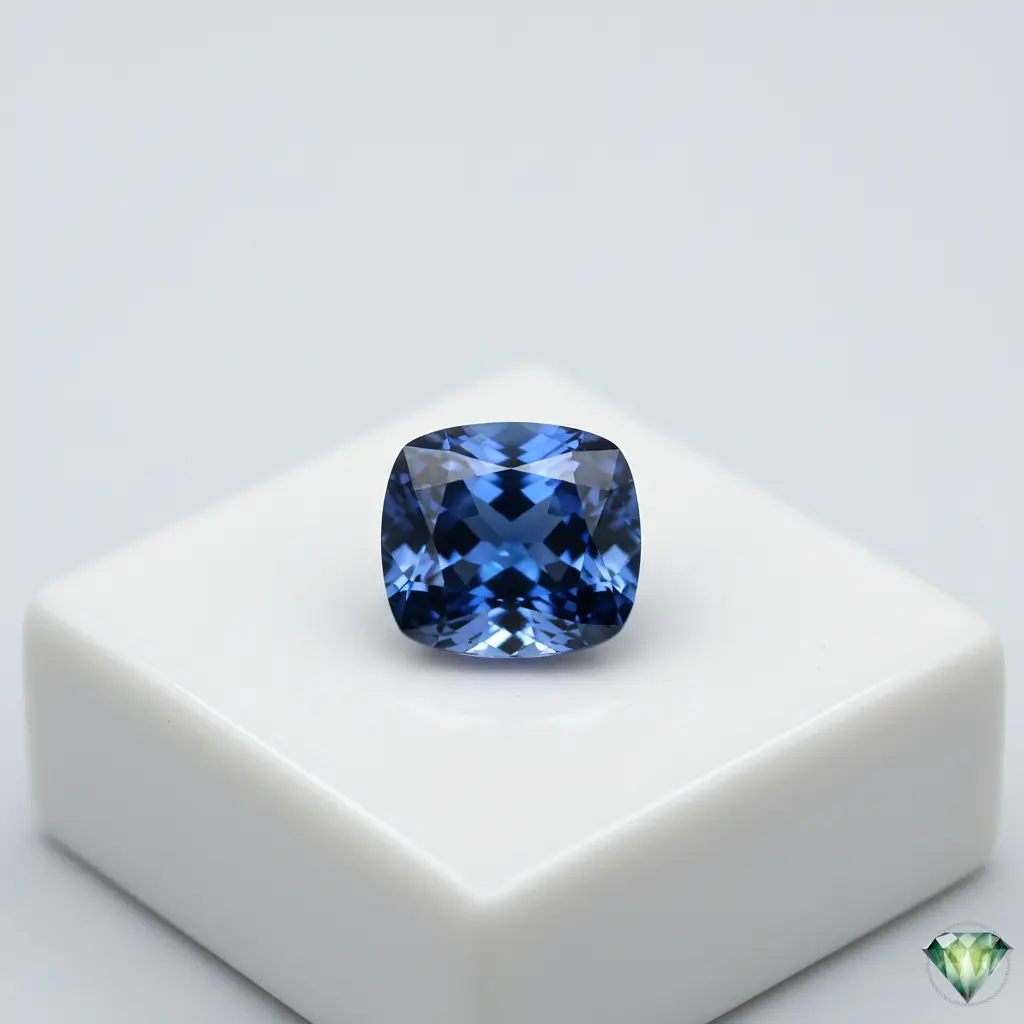
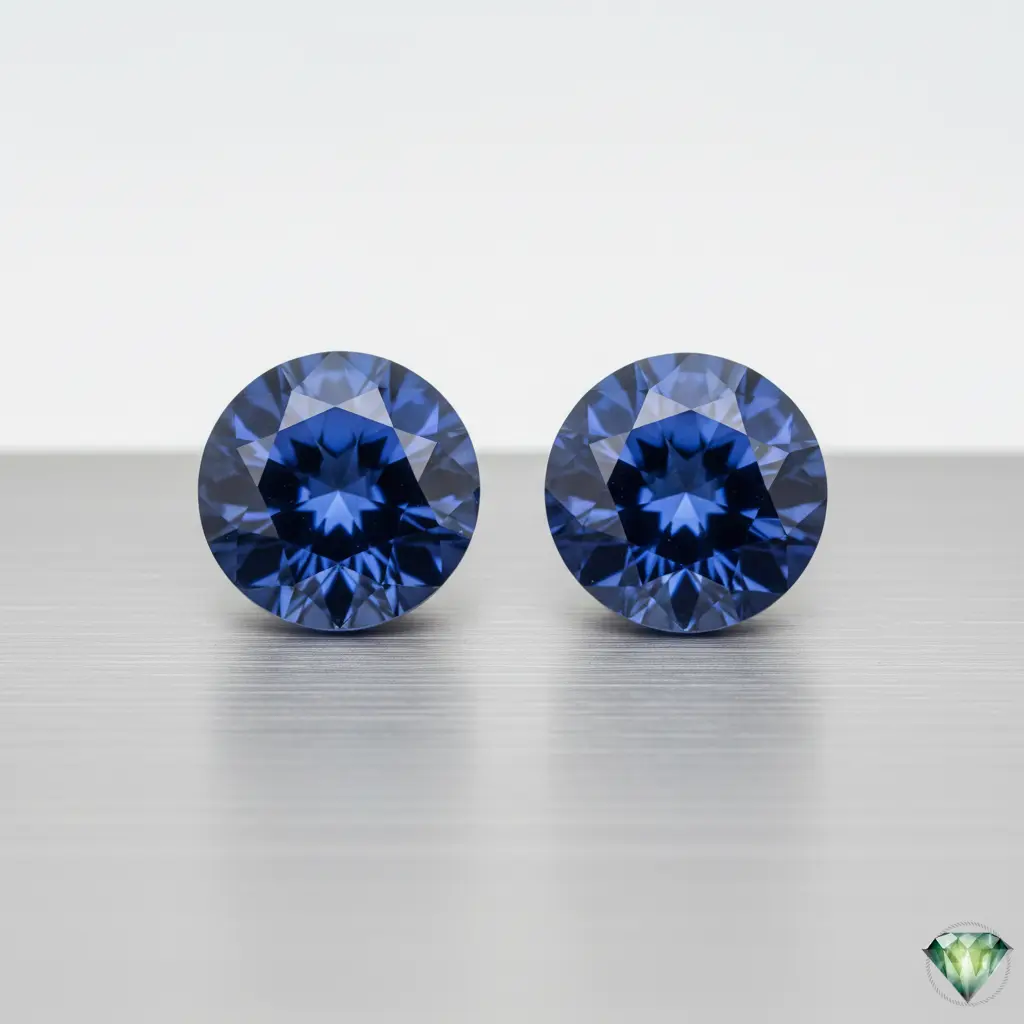
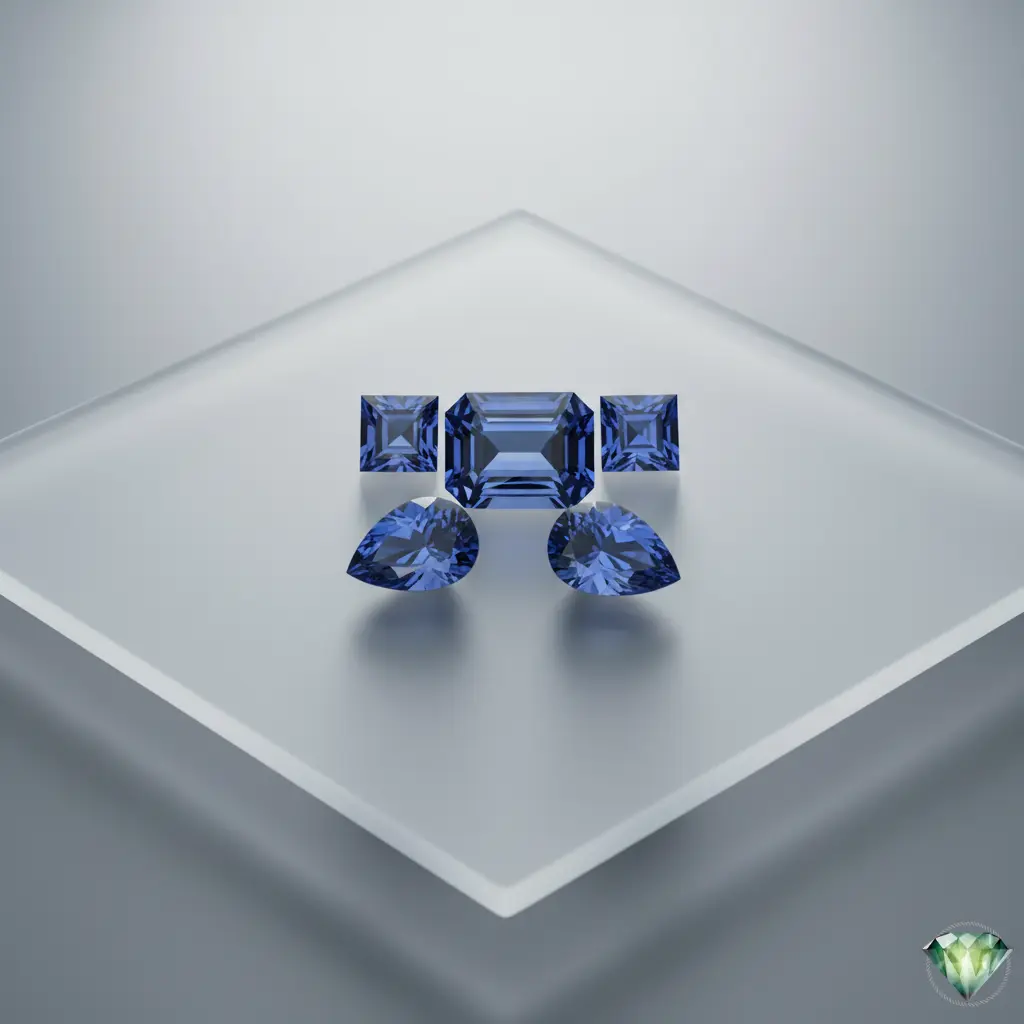
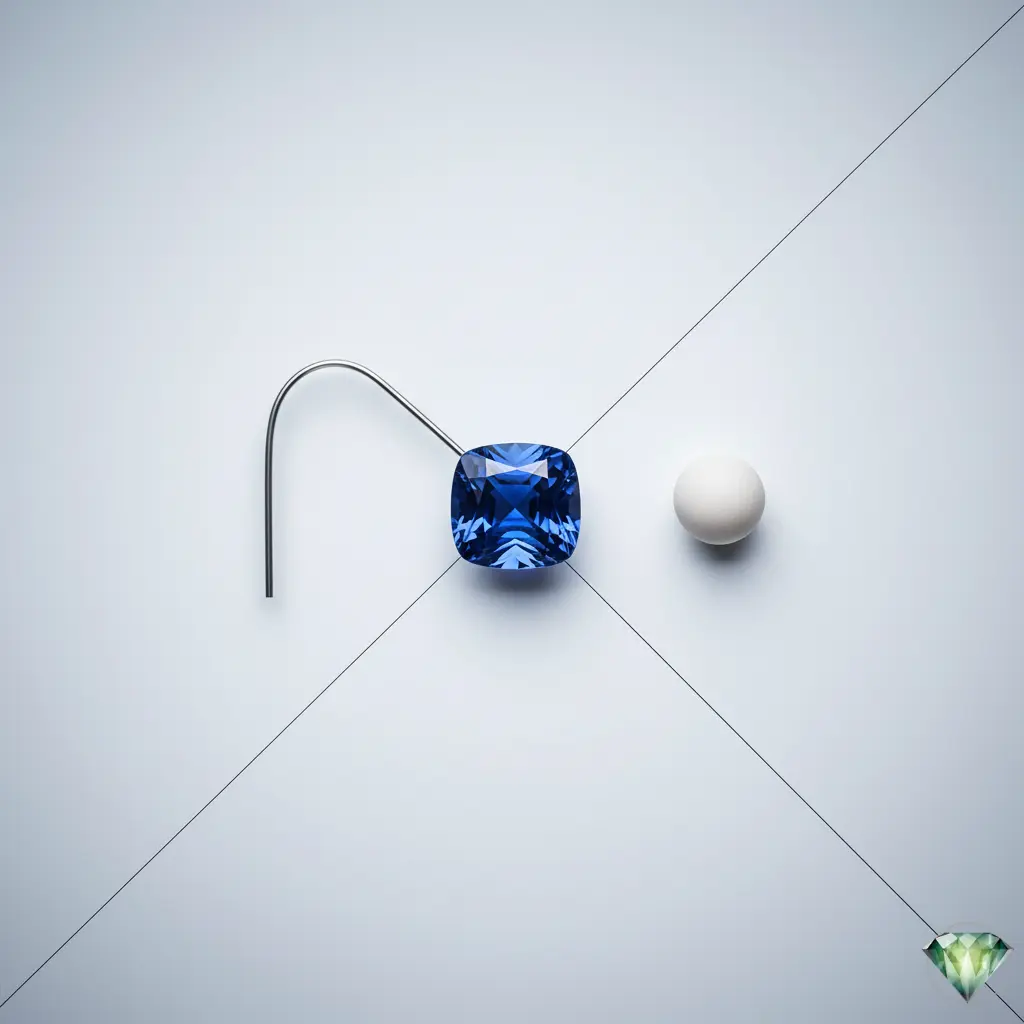
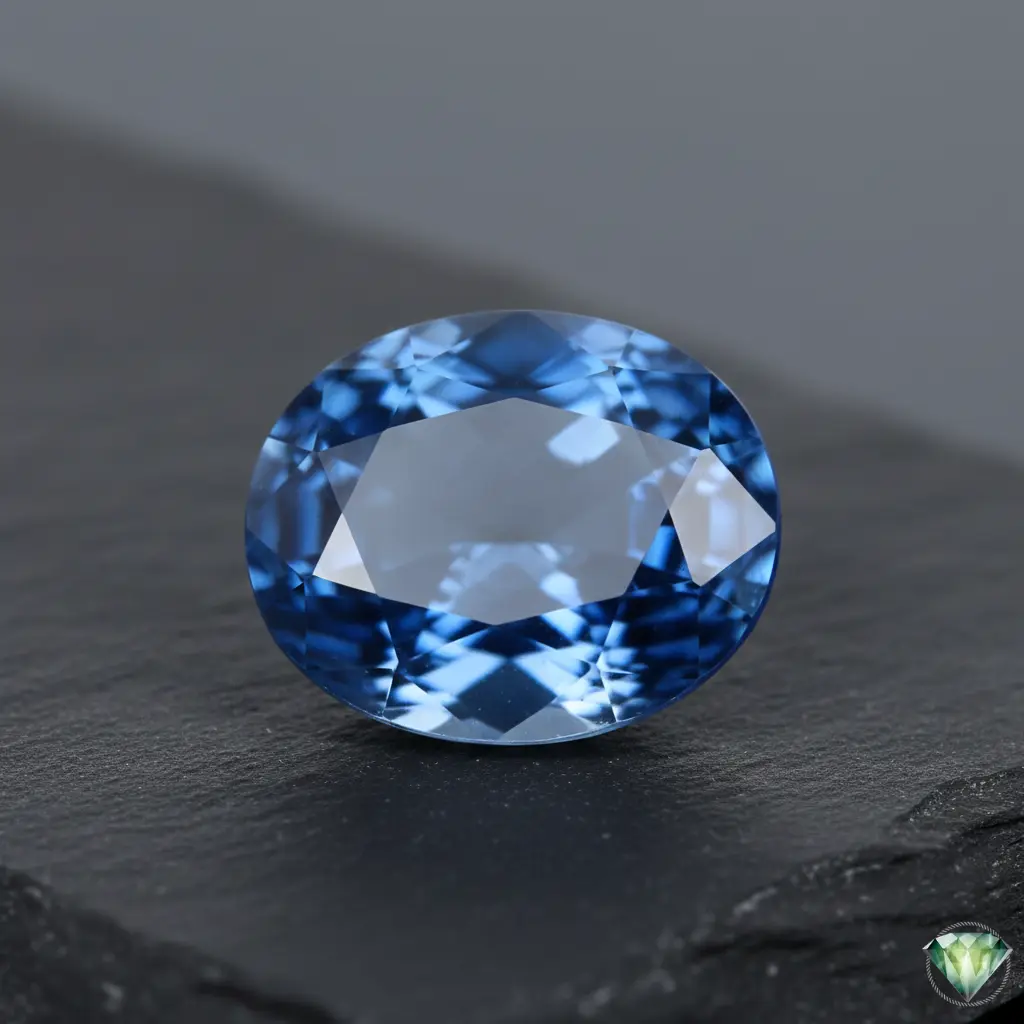
Natural Blue Sapphire (Neelum — نیلم) sourced from the Kashmir Valley and Ceylon (Sri Lanka) — gem-quality corundum at 9 Mohs hardness, colored by iron and titanium for its signature deep to vivid blue. Available in Cornflower Blue (Kashmir) and Electric Blue (Ceylon) grades. Lab certification available. Supplied direct by Pakistan Minerals & Gems (Pvt) Ltd.
Blue Sapphire is the blue gem variety of corundum (Al₂O₃), the same mineral species as ruby, distinguished only by its trace element coloring agents. The blue color of sapphire is due to a charge-transfer reaction between iron (Fe²⁺) and titanium (Ti⁴⁺) ions in the crystal lattice. The ratio and composition of these elements directly influences the depth, saturation and hue of the modifier of each stone – hence why two sapphires from the same mine can look dramatically different.
Main mineralogical specifications:
Mineral: Corundum (Al₂O₃)
Color Agent: Iron (Fe²⁺) + Titanium (Ti⁴⁺) charge transfer
Crystal System: Trigonal
Mohs Hardness: 9 (second only to diamond – suitable for all types of jewelry including everyday rings)
Specific Gravity: 3.99-4.01
Refractive Index: 1.762-1.770
Birefringence: 0.008
Stocked in: Kashmir Valley (India/Pakistan border region), Ceylon (Sri Lanka), Madagascar, Thailand
Origin is the next most important factor in determining blue sapphire value after color — and the difference between Kashmir and Ceylon material is not subtle at all.
Kashmir Sapphire
Kashmir sapphire is the rarest and most desired origin in the entire colored gemstone market. In the 1880s a landslide exposed deposits in the Zanskar Range. Material was obtained for a few decades until the main pockets were worked out. Kashmir sapphire is known for its velvety “Cornflower Blue” — a medium-deep blue with an unusual silky texture caused by fine needle-like inclusions that scatter light internally. This velvet quality makes the stone look rich and saturated even in low light without looking dark or inky. A report certifying the Kashmir origin by GRS, Gübelin or GIA fetches a substantial premium on the international market.
Ceylon Sapphire (Sri Lanka)
Sri Lanka has been mining sapphires for over 2,000 years and is the most reliable source in the world for high clarity, transparent blue sapphire. The Ceylon material is generally a pale cornflower to electric blue and, when cut, shows great transparency and brilliance. Ceylon sapphires are available in all sizes and all price ranges, unlike Kashmir stones, and they have become the practical standard for jewelry-grade sapphire worldwide.
Madagascar & Thailand Material
Madagascar is producing stones equal in color and clearness to Ceylon, and at reasonable prices. The entry-level market is represented by the Thai-origin and heat-treated material, darker blue, heavily treated, but visually impactful for commercial jewelry.
Heat treatment is the industry standard for blue sapphire – most stones on the global market including many certified Ceylon gems are routinely heated to enhance color and clarity. “This isn’t fraud, it’s a disclosed, accepted practice.” It’s the disclosure and the certification.
PKGems shows the status of the treatment:
No Heat: Natural color, no thermal enhancement. Commands premium prices. Certification necessary.
Heated (Standard): Color and/or clarity improved by controlled high temperature treatment. Industry standard. Listed on lab reports.
Glass-Filled/Fracture-Filled: Not for sale. These are imitation-grade treatments that compromise stone integrity, and are unacceptable in any reputable supply chain.
Blue sapphire is one of the most origin-sensitive colored gemstones in terms of pricing:
Standard Grade — African / Thai (PKR 2,500-8,000/ct)
Commercially graded blue, heat treated. Good color saturation for use in jewelry and at reasonable price points.
Premium Grade – Ceylon (PKR 15,000-80,000/ct)
Transparent, well-cut, medium to vivid blue. The practical choice for collectors, engagement rings and investment grade jewelry.
Investment Grade — Kashmir / Certified Unheated Ceylon (PKR 80,000–500,000+/ct)
Origin-certified, treatment-disclosed stones with lab reports from GRS, GIA or Gübelin. Per carat value can also multiply significantly with Kashmir origin certification alone.
Need a particular grade, origin or carat weight? Browse our complete Sapphire / Neelum collection or contact us on WhatsApp for a curated collection with live video.
Blue sapphire is the gemstone of Saturn (Shani) in Vedic astrology. It is traditionally believed to be one of the most powerful of the Navaratna (nine sacred gems) and is prescribed for people undergoing the major or sub-period of Saturn (Sade Sati or Dasha). Associated effects in traditional practice are mental discipline, financial stability, karmic resolution, and protection from misfortune. Classical Vedic texts advise that it be worn only after consulting an astrologer as it is believed to be very powerful.
Blue stones, especially sapphire, are a constant in royal jewellery and academic rings in the Persian and Mughal empires, a feature of Islamic and Mughal court tradition, prized for their rarity and their association with wisdom and authority.
Disclaimer: All the astrological and metaphysical properties described above are based on traditional Vedic, Islamic and South Asian cultural practices. They are not scientifically proven and should not be used as a substitute for professional medical, financial or astrological advice. “Before you buy a stone for astrological reasons, consult a qualified astrologer.”
PKGems sources all sapphires through certified supply chains. The treatment status is always disclosed. No glass filled stones. No false starts.
3 levels of buyer protection:
Live Video Verification: View stone in real time using daylight and UV light on demand – standard procedure for mid-grade and above transactions.
Lab Certification: Available from PGTL (Pakistan Gem Testing Laboratory) and GIA affiliated labs, reports include origin, treatment status, color grade and clarity. Critical to claims of origin in Kashmir and unheated designations.
Nationwide Tracked Delivery: Safe delivery to Karachi, Lahore, Islamabad, Peshawar, Quetta and all major cities of Pakistan.
Blue sapphire is one of the hardest gemstones around, Mohs 9, perfect for rings, pendants and bangles that are worn every day without protective bezel settings. Wipe with mild soap & a soft cloth. Ultrasonic cleaning is safe for untreated and heat-treated stones with no fracture filling. Do not leave on for an extended period of time. Keep apart from diamond jewelry to avoid scratching softer stones in your collection.
Ready to choose your stone? Contact us directly on WhatsApp for Live Video, Certification details & Bulk Inquiry Pricing. Check out our full range of Precious Stones at PKGems.
Reviews
There are no reviews yet.