
₨15,000.00
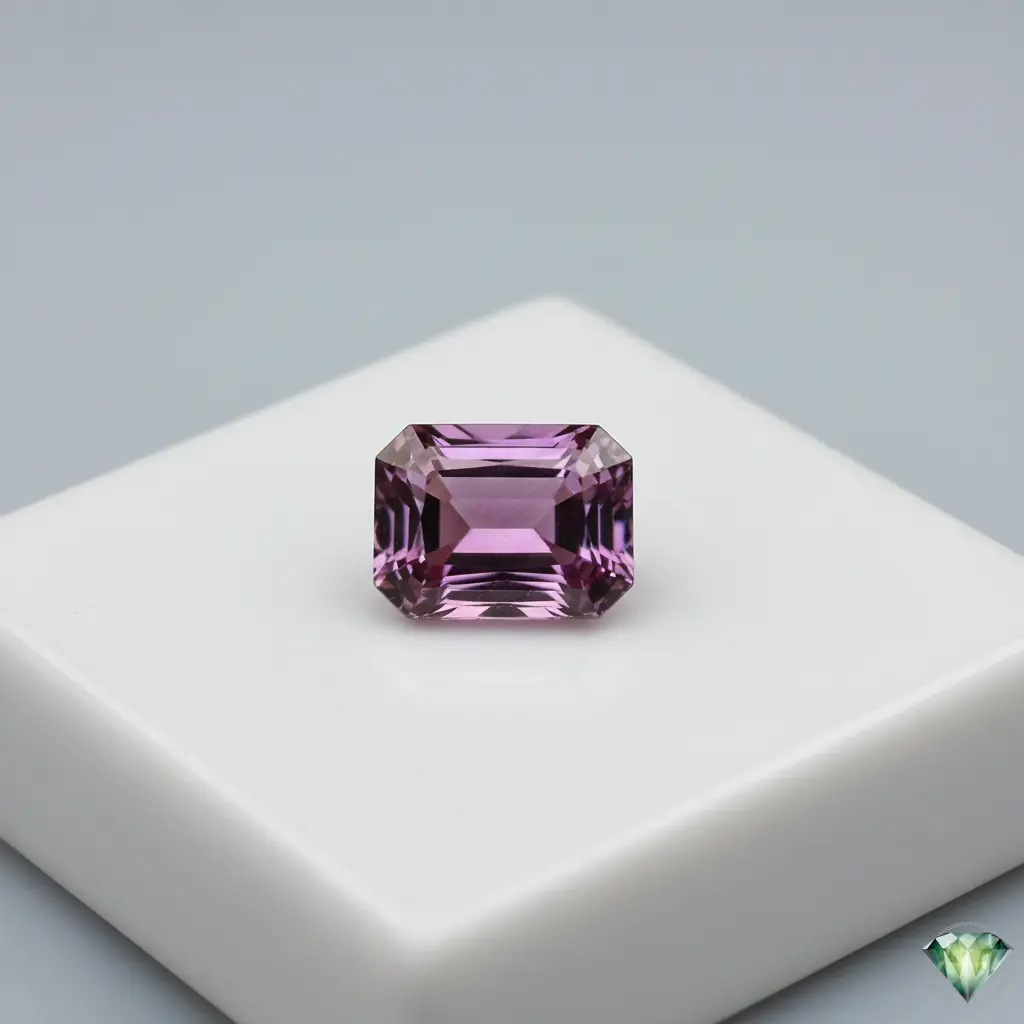
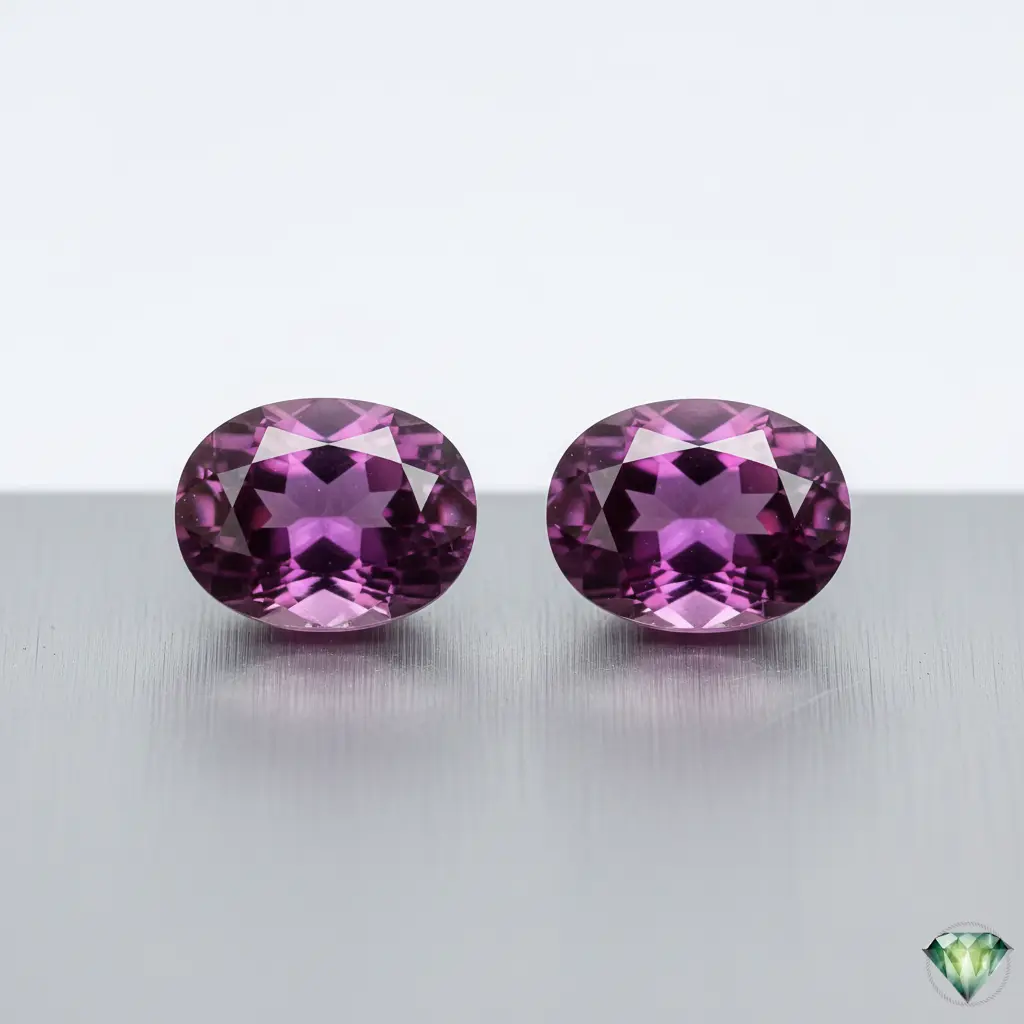
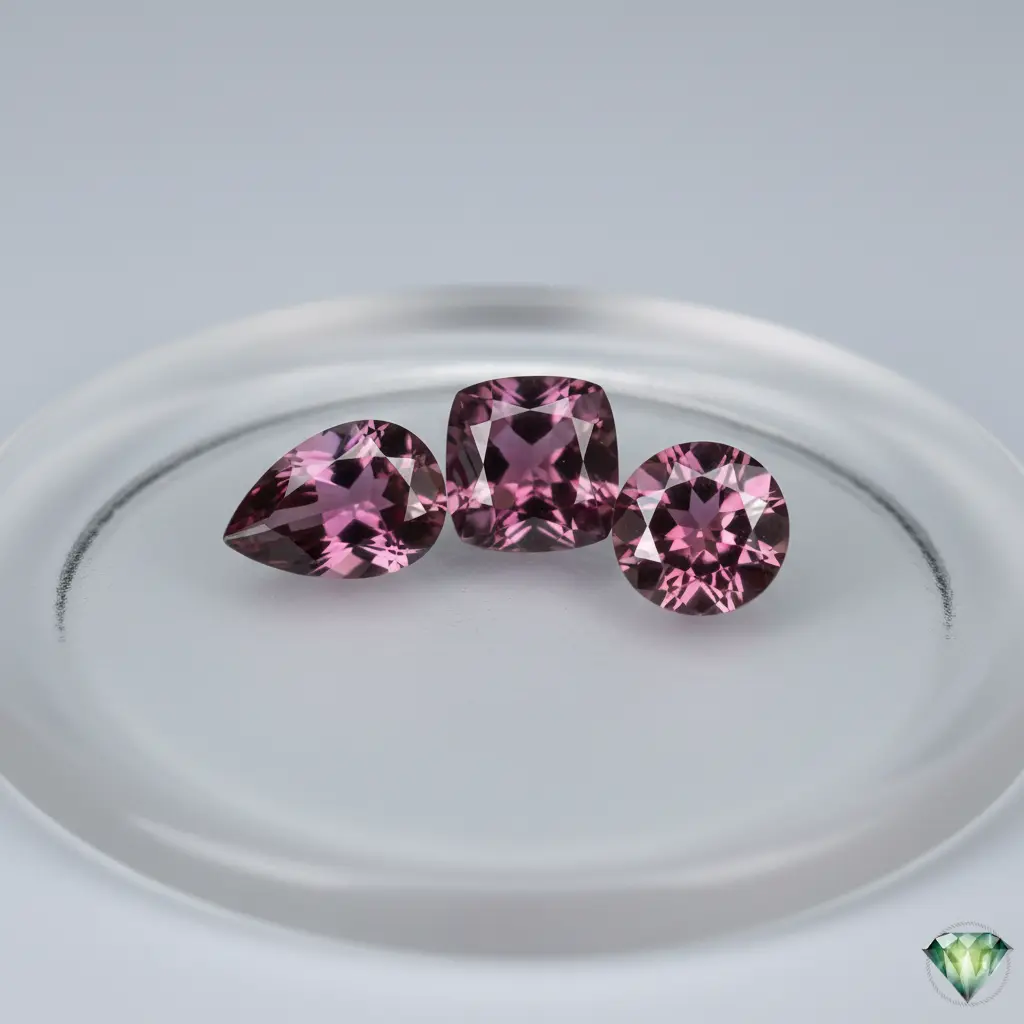
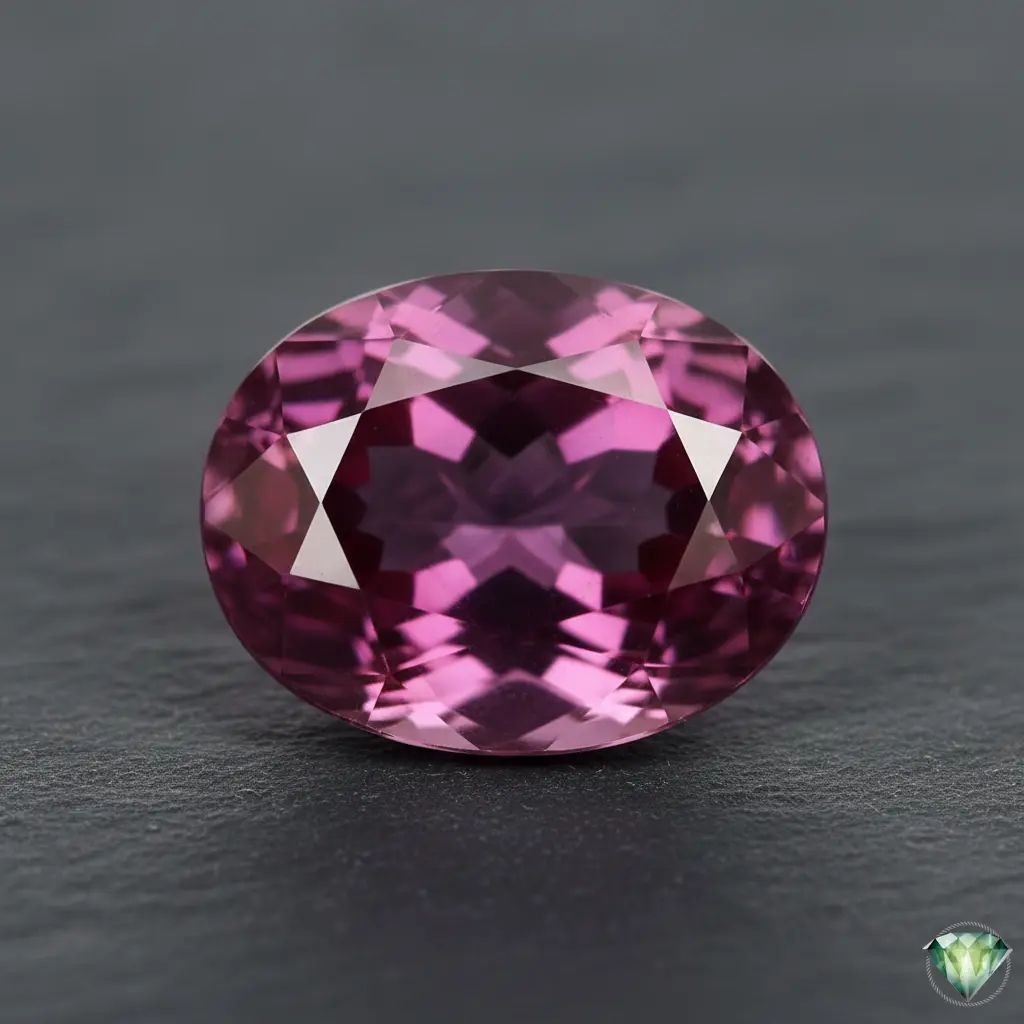
Buy 100% original Alexandrite (Zahar Jadd) in Pakistan. Known as the “Color Changing Gemstone,” it shifts from Emerald Green in daylight to Ruby Red under indoor light. Sourced from Gilgit-Baltistan and Russia, this rare stone is famous for bringing good luck and financial stability. Verified natural and lab-certified. Pakistan Gemstones offers the best Alexandrite price in Pakistan with fast delivery to Lahore, Karachi, Islamabad, and nationwide.
Alexandrite is the color-change variety of chrysoberyl (BeAl₂O₄) — a beryllium aluminum oxide mineral that is entirely distinct from beryl-family stones like emerald or aquamarine. Its defining property is a dramatic change in perceived color depending on the light source: green to bluish-green under daylight or fluorescent light, changing to purplish-red to red under incandescent (tungsten) light.
This is no photographic trick or surface coating. The color is due to trace chromium (Cr³⁺) replacing aluminum in the crystal lattice. The absorption spectrum of chromium lies right on the boundary between the red and green wavelengths of visible light. When daylight, which has a lot of blue-green wavelengths, is present, the eye perceives green. Incandescent light is red-yellow dominant, so the eye sees red. The same stone, two completely different colors.
Core Mineralogical Specifications:
Pakistani Alexandrite (Gilgit-Baltistan): Pakistani alexandrite from Gilgit-Baltistan, locally known as Zahar Jadd (ظہر جد) or Dana Firang, is the most available natural color-change chrysoberyl in the South Asian market. The color change in local material is moderate to strong, with the usual olive-green to brownish-red change. Stones exhibiting a clean, distinct green-to-red transition (rather than a muted yellow-green to brownish shift) are considered higher grade within this category and will command proportionally higher pricing.
Russian Alexandrite (Ural Mountains): The first discovery of alexandrite was in the Ural Mountains of Russia during the 1830s, supposedly on the birthday of Tsar Alexander II, for whom the stone is named. Russian material is the world standard: a pure, bright green in daylight and a total change to a deep raspberry red in incandescent light, combined with good transparency. Real, fine Russian alexandrite over 1 carat is one of the rarest and most expensive colored gemstones in the world. Today, most of the material available at commercial price points comes from Brazil or Sri Lanka, not Russia.
Ceylon Alexandrite (Sri Lanka): Sri Lankan alexandrite generally displays a lighter, more transparent color profile — bluish-green to purplish-red — with strong clarity. Ceylon material is more readily available in facetable sizes than Russian stone, and is the practical mid-market option for collectors and jewelry designers looking for certified natural alexandrite with documented color change.
This is one of the most commonly confused pairs in the Pakistani gem market, and getting it wrong is a serious issue of credibility for any seller. Both are true natural color-change stones, but they are not interchangeable and should never be referred to as each other.
Please contact us directly if you are comparing both options, and we will demonstrate both under the same lighting conditions via live video so the difference is immediately obvious.
The quality—and thus the price—of alexandrite depends primarily on the strength and purity of its color change, not merely the presence of a shift. The buyer has to ask two questions: how complete is the shift (partial brownish shift vs. full green-to-red), and how clean are the colors (pure green and pure red vs. muddy olive and brownish-purple)?
The trade rates this on a scale from weak (slight color shift, easily overlooked indoors) to strong (dramatic, immediately obvious change that doesn’t require a UV lamp or special equipment – noticeable under a standard indoor bulb). Strong-change stones in clean, facetable clarity are much rarer than weak-change material, and are priced accordingly.
Looking for a specific origin or grade? View the complete collection of Precious Stones or contact us on WhatsApp for a live color change demo before you buy.
In the Vedic tradition, alexandrite is linked with Mercury (Budh) – the planet of communication, intellect, and adaptability. The dual-nature color change is symbolically interpreted to represent flexibility and balance between opposing forces. In modern Western gemology, it is also the traditional birthstone for the month of June (along with pearl).
Within the wider South Asian cultural context, the stone’s scarcity and its color-changing phenomenon have been historically associated with good fortune and the safeguarding of its owner through changing circumstances—a significance that translates itself easily to the stone’s physical behavior under different light.
DISCLAIMER: All astrological and metaphysical properties listed above are taken from traditional Vedic and South Asian cultural practices. They have not been proven by science and should not be used instead of professional medical, financial, or astrological advice.
Synthetic material is a great risk in the alexandrite market. Lab-grown color-change corundum and synthetic chrysoberyl are commonly sold as natural alexandrite, often without disclosure. All stones at PKGems are earth-mined natural chrysoberyl. We guarantee full disclosure of treatment status and origin at the point of sale.
Live Video Verification: Every stone can be shown under daylight and incandescent light via WhatsApp video before purchase — non-negotiable for alexandrite, given how central the color change is to value.
Lab Certification: Available reports from the PGTL (Pakistan Gem Testing Laboratory) and from GIA-affiliated laboratories confirming species (chrysoberyl), color-change classification, origin, and treatment status.
Nationwide Tracked Delivery: Secure delivery to Karachi, Lahore, Islamabad, Peshawar, Quetta, and all major cities of Pakistan.
Alexandrite has a hardness of 8.5 Mohs, so it is very durable and suitable for all types of jewelry, including daily wear rings. Clean with mild soap and a soft cloth. Untreated natural stones are generally safe for ultrasonic cleaning. Do not let it stand in direct extreme heat for long. Keep away from harder stones (like sapphire, ruby, diamond) so that no other pieces in your collection scratch its surface.
Want to see the color change happen live? Contact us on WhatsApp for a live video demo. Explore the full collection of Precious Stones at PKGems.
Reviews
There are no reviews yet.