
Starting from ₨ 1,500 / Carat
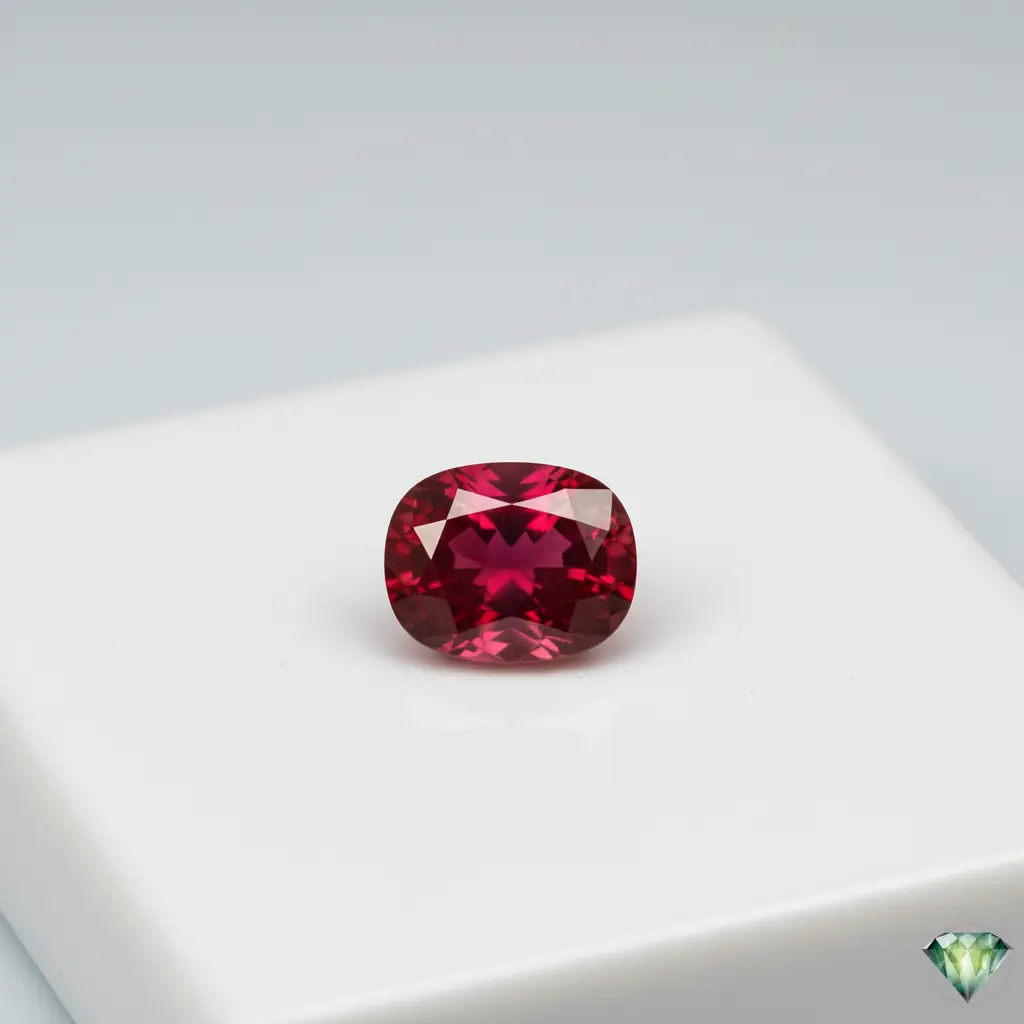
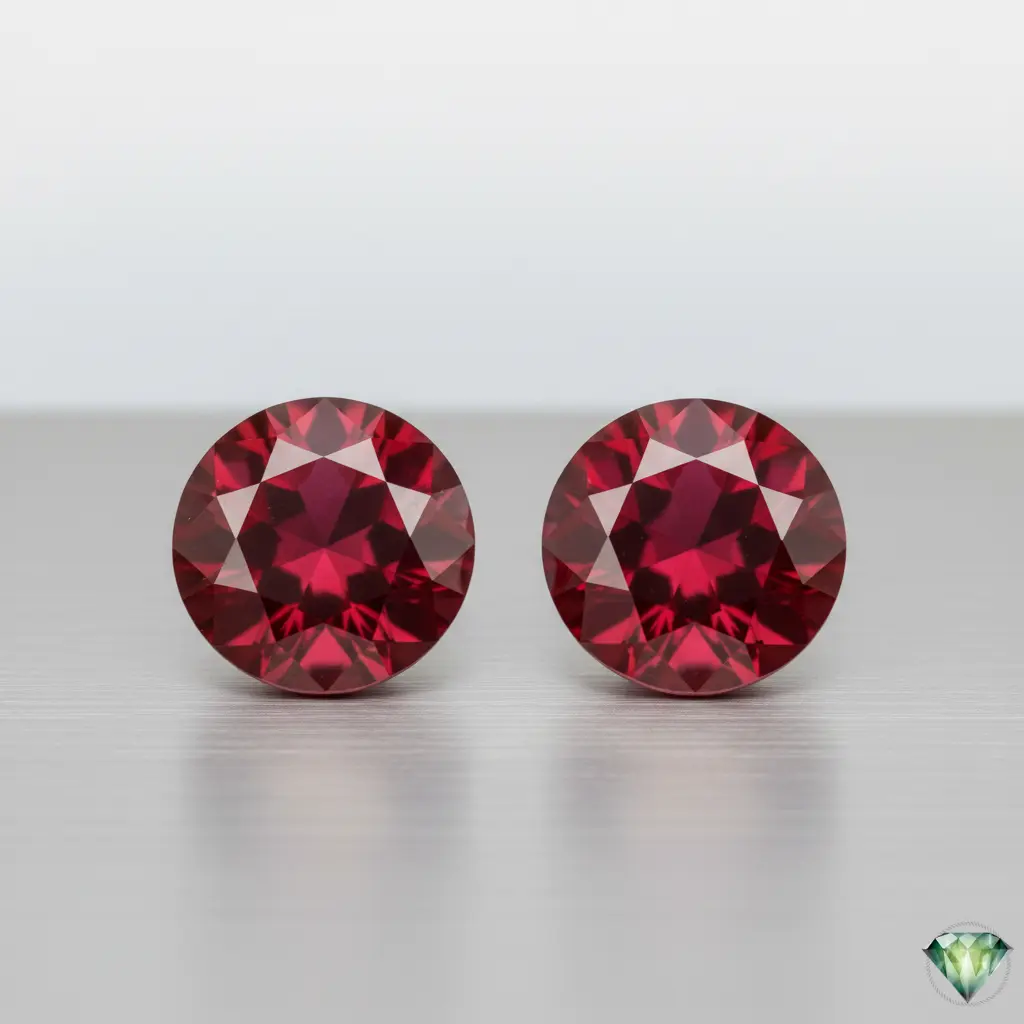
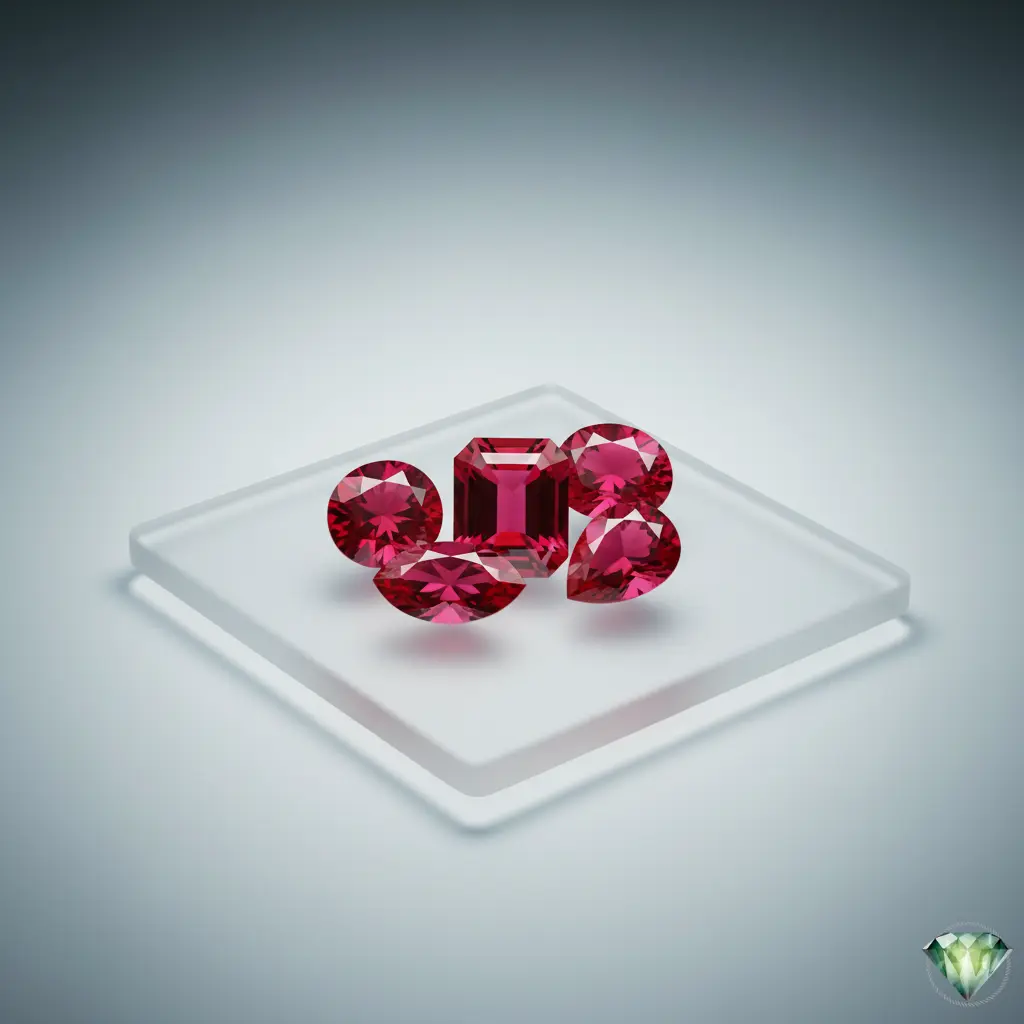
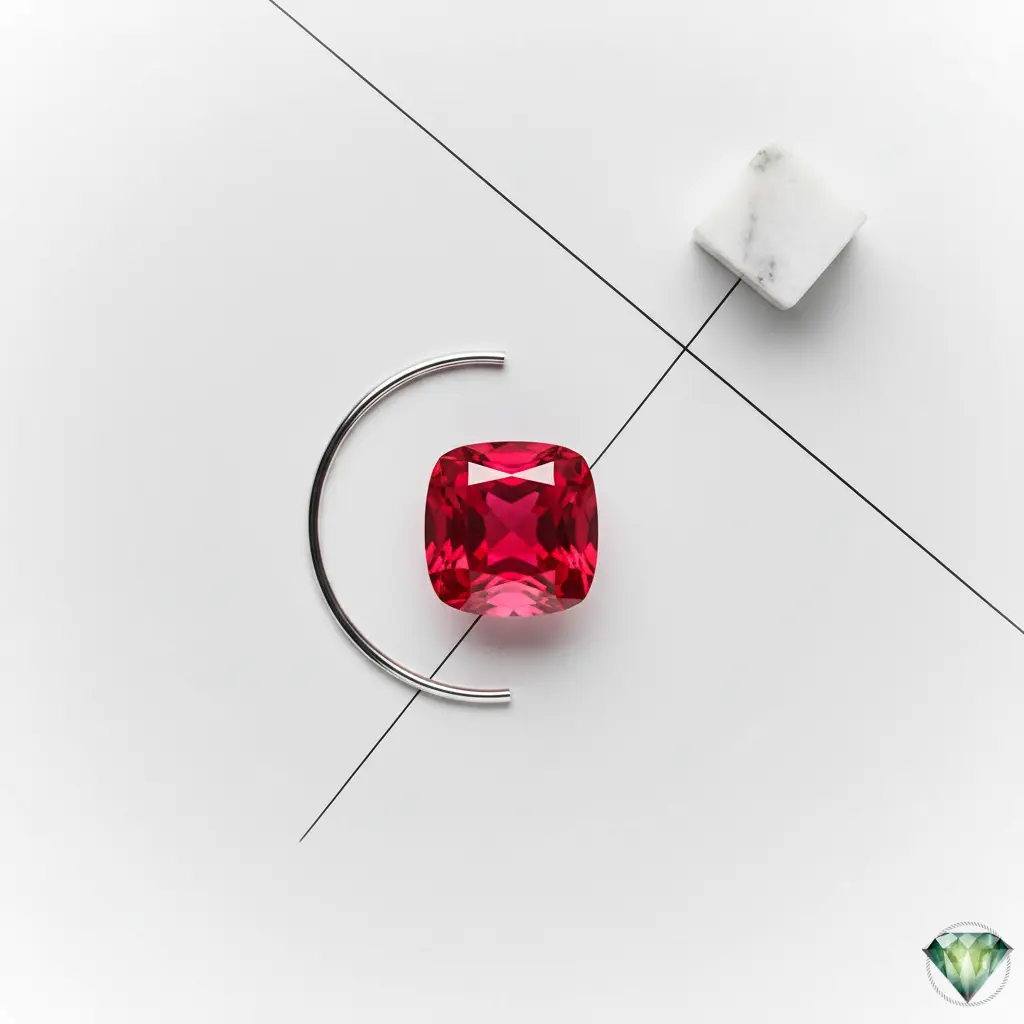
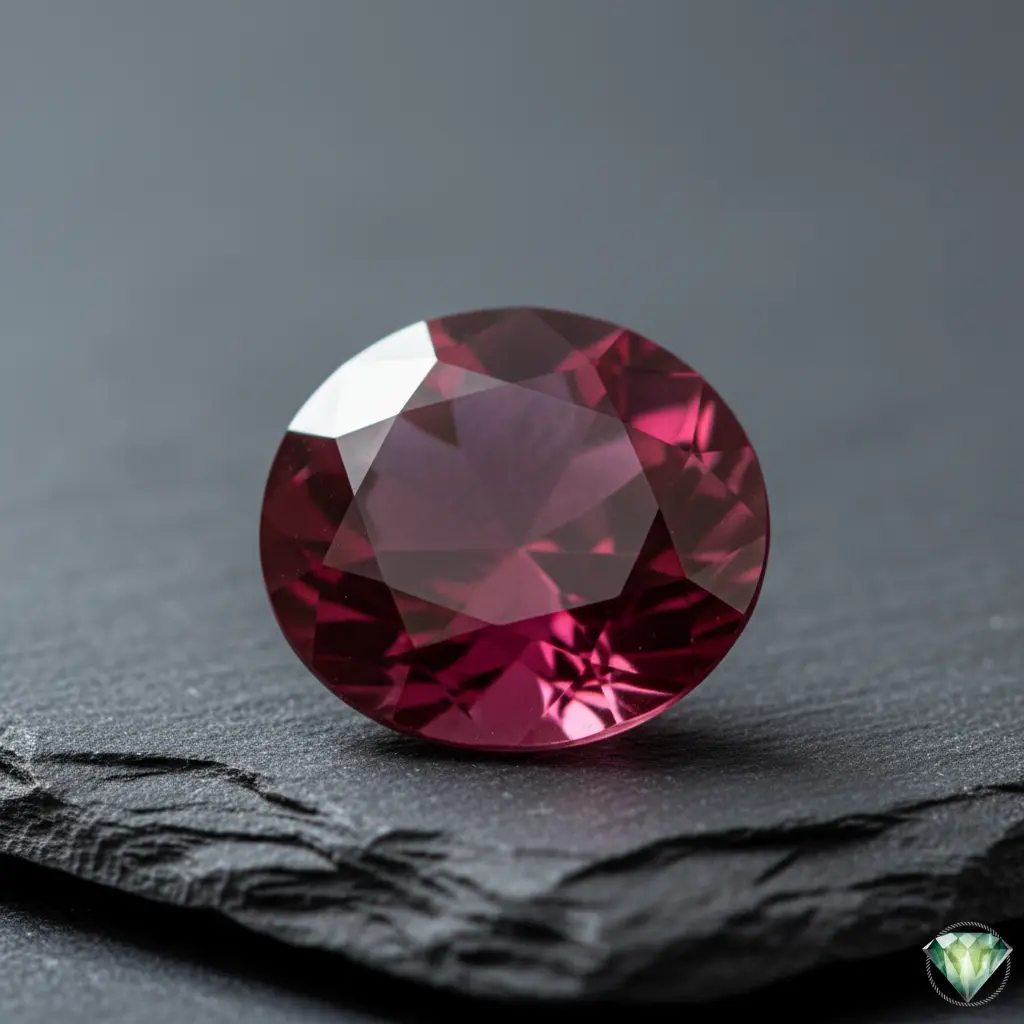
Natural Ruby (Yaqoot — یاقوت) sourced from Hunza, Gilgit-Baltistan, Pakistan and premium Burmese (Myanmar) deposits — corundum at 9 Mohs hardness, colored by chromium for its signature deep red fluorescence. Available in Pigeon Blood and Anari (Pomegranate) grades. Lab certification available. Supplied direct by Pakistan Minerals & Gems (Pvt) Ltd.
Ruby is the red gem-quality variety of corundum (Al₂O₃) — aluminum oxide — with its color driven entirely by trace chromium (Cr³⁺) substituting for aluminum in the crystal lattice. The higher the chromium concentration, the deeper and more saturated the red. Chromium also causes ruby’s characteristic red fluorescence under UV light — a property that distinguishes high-quality natural stones from glass imitations and synthetic material.
Core mineralogical specifications:
Mineral: Corundum (Al₂O₃)
Color Agent: Chromium (Cr³⁺)
Crystal System: Trigonal
Mohs Hardness: 9 (second only to diamond — suitable for all jewelry types including daily-wear rings)
Specific Gravity: 3.97 – 4.05
Refractive Index: 1.762 – 1.770
Birefringence: 0.008
Origins Stocked: Hunza / Gilgit-Baltistan (Pakistan), Myanmar (Burma), Mozambique (Africa)
Not all rubies are equal — and origin is one of the primary determinants of both color character and market value.
Hunza Ruby (Pakistan — Gilgit-Baltistan): The Hunza Valley produces a distinctive pinkish-red to deep red ruby with strong chromium-driven fluorescence. Under UV light, Hunza stones glow with an intensity that collectors recognize immediately. The local term Anari (انار — pomegranate) refers to the vivid, slightly pinkish-red hue typical of Pakistani material — a color profile that resonates strongly with South Asian astrological and jewelry markets.
Burmese Ruby (Myanmar): The Mogok Valley in Myanmar remains the global benchmark for ruby. Burmese material is defined by its “Pigeon Blood” color — a pure, vivid red with a slight blue undertone and no brown or orange masking — combined with exceptional transparency and strong fluorescence. These are the stones that command the highest per-carat prices at international auction.
African Ruby (Mozambique): Mozambique has emerged as a major ruby source producing deeply saturated, transparent red stones. Slightly cooler in tone than Burmese material, African ruby offers strong color at a more accessible price point — a practical choice for jewelry settings where budget and visual impact both matter.
Pigeon Blood is a trade designation — not a formal grading term — used for rubies exhibiting a pure, vivid red with no brownish or orangey secondary hues. It is most consistently found in top-grade Burmese material, though exceptional Mozambique stones can qualify. The GRS (Gem Research Swisslab) lab formally defines this as a color grade on certified reports.
Anari is the local South Asian descriptor for the pomegranate-red color profile characteristic of Hunza and some Pakistani rubies — a slightly pinker, warmer red that carries strong cultural resonance for astrological buyers across Pakistan and the wider region.
Under direct daylight, both color types show vivid saturation. The difference becomes most apparent under mixed or incandescent lighting, where Pigeon Blood stones maintain their pure red while Anari material shows its pink-red warmth.
Ruby pricing is non-linear — small differences in color, clarity, and origin produce large price differences at the per-carat level:
Hunza / Pakistani Ruby (PKR 5,000–25,000+/ct): Valued for fluorescence, local provenance, and Anari color profile. Strong astrological demand drives consistent pricing in the Pakistani market.
African Ruby (PKR 2,000–12,000/ct): Deep color, good transparency, accessible pricing. Ideal for jewelry designers and volume buyers.
Burmese Ruby (PKR 25,000–200,000+/ct): Premium tier. Pigeon Blood certified stones with strong fluorescence and eye-clean clarity command international pricing. Certification from GRS, GIA, or Gübelin is standard at this level.
Looking for a specific origin, grade, or carat weight? Browse our full Ruby collection or contact us on WhatsApp for a curated selection with live video.
In Vedic astrology, ruby is the gemstone of the Sun (Surya / Suraj). It is traditionally recommended for individuals with a weak or afflicted Sun placement in their natal chart, and is associated with authority, leadership, confidence, and vitality. In South Asian tradition, it is considered one of the Navaratna (nine sacred gems) and is among the most commonly prescribed stones by practicing astrologers.
In Islamic tradition, red stones — particularly ruby — carry historical significance. Scholarly and royal figures across the Mughal and Ottoman empires wore ruby set in gold rings, with references appearing in historical court records and Islamic texts on the virtues of gemstones.
DISCLAIMER: All astrological and metaphysical properties described above are drawn from traditional Vedic, Islamic, and South Asian cultural practices. They are not scientifically validated and should not replace professional medical, financial, or astrological advice.
Every ruby at PKGems is sourced directly — Hunza material from Gilgit-Baltistan supply chains, Burmese and African stones through verified import channels. No glass-filled stones. No synthetic material. No relabeling.
Buyer protection is available at every price point:
Live Video Verification: Real-time stone viewing under daylight and UV light on request — standard for any purchase above entry grade.
Lab Certification: Reports available from PGTL (Pakistan Gem Testing Laboratory) and GIA-affiliated labs covering origin, treatment status, color grade, and clarity. Essential for Burmese Pigeon Blood stones and high-value investments.
Nationwide Tracked Delivery: Secure shipping to Karachi, Lahore, Islamabad, Peshawar, Quetta, and all cities across Pakistan.
At Mohs 9, ruby is one of the most durable gemstones available — harder than all other stones except diamond, making it genuinely suitable for daily-wear rings, bangles, and pendants without protective settings. Clean with mild soap and a soft cloth. Ultrasonic cleaning is generally safe for untreated stones but should be avoided for fracture-filled material. Store away from diamond jewelry to prevent surface contact scratching on softer stones in your collection.
Ready to select your stone? Reach us directly on WhatsApp for live video, certification details, or bulk inquiry pricing. Browse our full range of precious stones at PKGems.
Reviews
There are no reviews yet.